ROYAL CARIBBEAN UNVEILS MORE WAYS TO EXPLORE EUROPE IN 2028-29 WITH NEW YEAR-ROUND SEASON
Travellers can discover Europe year-round with new winter adventures to the Canary Islands, Madeira and Morocco, summer adventures across Scandinavia and the Greek Isles, and visits to Royal Beach Club Santorini
MIAMI, Oct. 14, 2026 /PRNewswire/ -- Royal Caribbean is expanding its 2028-29 Europe lineup with the brand's boldest year-round season, offering more ways to explore the Mediterranean, Northern Europe and the Canary Islands across seven ships. For the first time, holidaymakers can explore Europe any time of year on Rhapsody of the Seas, from summer adventures with overnight stays in Egypt to winter getaways to the Canary Islands. Across the season, travellers can discover sought-after destinations throughout Greece, Turkey, Portugal, Spain and Northern Europe – including Royal Caribbean's return to Copenhagen and Stockholm – on 7-to 12-night holidays with experiences for all ages on board. Bookings for the European 2028-29 season are now open for Crown & Anchor Society loyalty members on Royal Caribbean's website ahead of the official opening on Thursday, Oct. 15.
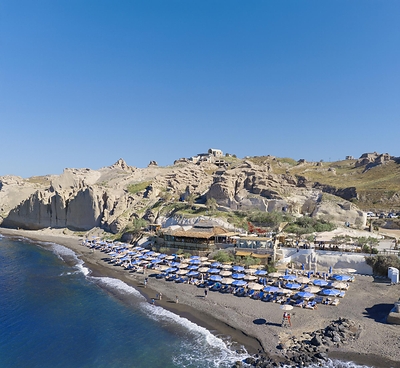
Holidaymakers exploring the Greek Isles can experience the Ultimate Santorini Day, a full-day excursion combining visits to Oia and Fira with access to Royal Beach Club Santorini, featuring a stunning beach, authentic local cuisine and more. At the beach club, guests can explore an open-air market showcasing a rotating selection from local businesses, including produce from Nomikos Estate; ouzo, tsikoudia and aged tsikoudia from Santorini distillery Canava Lyngos; and wine from Santo Wines. Select getaways with later evening stays give guests even more time to take in the island's scenery and experiences.
Europe 2028-29 Highlights
- Rhapsody of the Seas – From Athens (Piraeus); Barcelona; and Lisbon, Portugal
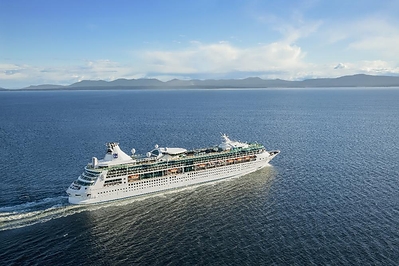
Rhapsody will kick off Royal Caribbean's year-round Europe season with 7- to 12-night holidays from Athens (Piraeus), Barcelona and Lisbon. From May to October 2028, holidaymakers can explore the history and culture of Turkey and Egypt on 7-night getaways with overnight stays in Alexandria, Egypt and Istanbul or take in the sun-soaked destinations of Greece, including the Ultimate Santorini Day to spots around the island and Royal Beach Club Santorini. Starting November 2028, Rhapsody will deliver 9- to 12-night getaways visiting destinations across the Canary Islands, Portugal, Morocco, Cyprus, Malta and Greece. Holidaymakers can discover Tenerife's natural saltwater pools and Gran Canaria's Maspalomas Dunes, explore the vibrant cities of Casablanca and Tangier, Morocco, or experience overnight stays in Alexandria. The season also marks Royal Caribbean's return to Heraklion, Greece, and Cagliari, Sardinia, Italy for the first time in more than a decade. Between adventures, guests can relax by the outdoor pool or fully climatized Solarium, enjoy live entertainment, and dive into global cuisines from sushi at Izumi to premium steaks at Chops Grille.
- Explorer of the Seas – From Ravenna (Venice)
From May to October 2028, Explorer will deliver 7-night Mediterranean holidays to the Greek Isles and Croatia, with every holiday including later stays in Santorini for more time to soak up the island's iconic caldera views, whitewashed villages and spectacular sunsets, along with Royal Beach Club Santorini. Select getaways also feature visits to Kotor, Montenegro, where holidaymakers can enjoy a hike and a picnic in Lovcen National Park or walk through Kotor's Old Town. On deck, Royal Caribbean's signature experiences include the FlowRider surf simulator, The Perfect Storm waterslides, and the adults-only Solarium.
- Freedom of the Seas – From Southampton, England
Adventurers on Freedom can choose from a range of 3- to 9-night holidays across Northern and Southern Europe from May to October 2028. Across the Norwegian fjords, the cityscapes of Copenhagen, Denmark, and Bruges (Zeebrugge), Belgium, and the coastlines of Bilbao, Spain, Paris (Le Havre), and Lisbon, holidaymakers can discover a variety of European experiences departing from Southampton. Freedom pairs European exploration with Royal Caribbean favourites, including The Perfect Storm waterslides, FlowRider surf simulator and glow-in-the-dark laser tag.
- Jewel of the Seas – From Copenhagen and Stockholm
Returning to Copenhagen, Stockholm and the Baltic, Jewel will sail from May to August 2028 on 7- to 11-night adventures visiting incredible destinations across Helsinki; Visby, Sweden; Gdansk (Gdynia), Poland, and Klaipeda, Lithuania, with itineraries highlighting Scandinavia's striking coastlines and centuries of Nordic history and culture. On Jewel, holidaymakers can enjoy a range of fan-favourite experiences, including the rock-climbing wall, adults-only Solarium and award-winning Broadway-style entertainment.
- Liberty of the Seas – From Barcelona, Athens (Piraeus), and Rome (Civitavecchia)
From May to October 2028, Liberty will take holidaymakers on 7- and 8-night getaways to the Greek Isles, plus adventures to the Mediterranean visiting Provence (Marseille), France, Sicily (Palermo), Italy, and Cagliari, Sardinia. Holidaymakers visiting Greece will enjoy later evening stays in Santorini, alongside the option to experience Royal Beach Club Santorini or choose from a variety of new excursions showcasing the prehistoric settlement of Akrotiri, visiting Fira or taking in the black sand beach of Perivolos. On the newly amplified Liberty, adventurers can kick back at the pool deck with the Lime & Coconut tropical tiki bar, take on the Royal Escape Room or enjoy hibachi at Izumi Teppanyaki.
- Mariner of the Seas – From Barcelona, Lisbon, Athens (Piraeus), and Ravenna (Venice)
Returning to the Mediterranean, Mariner will deliver 7-night holidays exploring some of the region's most sought-after destinations including Palma de Mallorca, Spain; Porto (Leixoes), Portugal, and Dubrovnik, Croatia. Between adventures ashore, holidaymakers sailing on Mariner can enjoy the ship's lineup of unrivalled attractions, from the FlowRider surf simulator and The Perfect Storm waterslides to popular dining venues including Jamie's Italian and Izumi.
- Odyssey of the Seas – From Rome (Civitavecchia)
From April to October 2028, Odyssey will return to Rome (Civitavecchia) for 7-night adventures through the Greek Isles, including visits to destinations like Ephesus, Turkey, and Mykonos, Greece. Holidaymakers can explore the islands with extended evenings in Santorini, with the option to spend the day at the Royal Beach Club Santorini, as part of their Ultimate Santorini Day. On Odyssey, travellers can make the most of sea days with the RipCord by iFLY skydiving simulator, the North Star observation capsule and SeaPlex, the largest indoor activity space at sea.
Holidaymakers can learn more about new and upcoming European adventures by visiting Royal Caribbean's website.
About Royal Caribbean
Royal Caribbean, part of Royal Caribbean Group (NYSE: RCL), has delivered memorable vacations for more than 50 years. The cruise line's game-changing ships and exclusive destinations revolutionize vacations with industry-leading innovations and an all-encompassing combination of experiences, from thrills and ways to chill, to dining and entertainment, for every type of family and vacationer. Voted "Best Cruise Line Overall" for 23 consecutive years in the Travel Weekly Readers Choice Awards, Royal Caribbean makes memories with adventurers across more than 300 destinations in 80 countries on all seven continents, including Perfect Day CocoCay in The Bahamas and Royal Beach Clubs in Paradise Island and Santorini, plus Royal Beach Club Lelepa coming soon.
Media can stay up to date by following @RoyalCaribPR on X and visit www.RoyalCaribbeanPressCenter.com. For additional information or to book, vacationers can visit www.RoyalCaribbean.com, call (800) ROYAL-CARIBBEAN or contact their travel advisor.

 View original content to download multimedia:https://www.prnewswire.co.uk/news-releases/royal-caribbean-unveils-more-ways-to-explore-europe-in-202829-with-new-year-round-season-302908674.html