Markel International appoints Nick Rugg to Head of Financial Institutions & Fintech - PFR & Cyber, International
LONDON, Sept. 17, 2026 /PRNewswire/ -- Markel Insurance, the insurance operation within Markel Group Inc. (NYSE: MKL), today announced the appointment of Nick Rugg as Head of Financial Institutions & Fintech – PFR & Cyber within its London-based specialty insurance operation, with immediate effect.
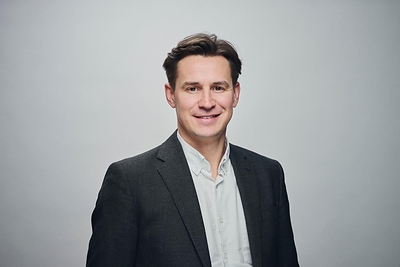
Reporting to Martin McCarron, Director of Financial Institutions and Management Liability, International, Rugg will lead the team providing professional indemnity, directors' and officers' liability, crime and cyber coverage across four product lines: Investment Managers, Fintech, Traditional Financial Institutions and Offshore Financial Institutions.
This follows Bhavik Desai's appointment as Managing Director of PFR & Cyber in London and is the latest leadership development within the division.
Rugg said: "Fintech has moved from being an emerging segment to an established part of the financial services market. As businesses have scaled and the range of business models has expanded, their insurance needs have become more varied. Markel entered the market early, so we have seen that development first-hand and built considerable specialist experience alongside it.
"I look forward to working with our underwriting team, brokers and clients to develop the wider Financial Institutions portfolio. We will continue to strengthen our position as a leading partner to financial services businesses across our four product lines."
Desai added: "Nick has played a key role in building Markel's Fintech product suite, designed for businesses whose exposures cut across professional liability, directors' and officers' liability, crime and cyber risk. This includes Markel's early move to provide blended cyber FI coverage across its Fintech and investment management products, an approach that's helped establish Markel as a leading insurer for Fintech and investment management sectors.
"His product expertise, broker relationships and experience in developing these portfolios give him a strong foundation to lead the wider team. In this expanded role, Nick will bring that experience across the wider financial institutions portfolio, with a focus on developing products that respond to the way financial services risks are continuing to converge."
Rugg joined Markel in 2014 as an underwriter in the financial institutions team and has since held senior underwriting positions, most recently as Head of Fintech and Investment Management Insurance. He has more than 20 years of underwriting experience and previously worked as a financial institutions underwriter at Arch Europe.
About Markel Insurance
We are Markel Insurance, a leading global specialty insurer with a truly people-first approach. As the insurance operations within the Markel Group Inc. (NYSE: MKL), we leverage a broad array of capabilities and expertise to create intelligent solutions for the most complex specialty insurance needs. However, it is our people – and the deep, valued relationships they develop with colleagues, brokers and clients – that differentiates us worldwide.
 View original content to download multimedia:https://www.prnewswire.co.uk/news-releases/markel-international-appoints-nick-rugg-to-head-of-financial-institutions--fintech--pfr--cyber-international-302880620.html