First PureGRAPH® production order secured with global sports shoes company
Highlights
- First purchase order secured with global footwear company Flux Footwear for graphene-enhanced athletic and leisure footwear
- US-based customer becomes the third footwear client in First Graphene's growing global portfolio to leverage PureGRAPH®'s performance benefits
- Purchase order marks FGR's first commercial production application in global sports shoe market, valued at more than US$150 billion[1]
SYDNEY, Oct. 7, 2026 /PRNewswire/ -- First Graphene Limited (ASX: FGR; "First Graphene" or "the Company") (FRA:M11) (OTCQB:FGPHF) is pleased to announce it has secured its first purchase order from US-based footwear company Flux Footwear ("Flux").
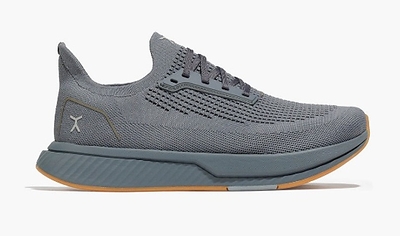
Flux Footwear will incorporate PureGRAPH® into its athletic and leisure footwear range, delivering strength and durability enhancements to the brand's Graphene XT performance gym shoes.
The purchase order will be the Company's first production application within the sporting and athletic footwear sector, building on previously announced success in the work and safety footwear industry.
Following recent development work, PureGRAPH® was selected for use across Flux's graphene-enhanced footwear range and will progressively replace existing graphene models as production requirements increase.
Driving performance with advanced materials
Flux is an innovative US performance footwear company already using graphene as part of its product innovation strategy through its Graphene-Pro™ footwear range.
Graphene is used in high-wear areas of the outsole to enhance durability, abrasion and tear resistance, grip and flexibility without unnecessary additional weight. PureGRAPH®'s proven performance benefits will ensure the quality of Flux's footwear range is maintained.
Flux has a well-established global customer base, delivering graphene-enhanced footwear primarily into the US market.
The first production order with First Graphene will establish a pathway for penetration into these markets through ongoing PureGRAPH® supply as Flux progresses production of its graphene-enhanced footwear.
Building on established success
The production order with Flux builds on First Graphene's established technical and commercial experience in the footwear segment.
The Company has previously progressed PureGRAPH® through development, independent testing and commercial production in work and safety footwear, including collaborations with Australian safety footwear manufacturer Steel Blue and Indonesian mining work boot manufacturer PT Alasmas Berkat Utama.
PureGRAPH® was successfully incorporated into both types of footwear, targeting improvements in abrasion resistance, tear strength and durability, and subsequently progressed into commercial production.
The Flux order represents the next evolution of this established application, extending First Graphene's formulation knowledge and commercial experience from industrial and safety footwear into the substantially larger sporting, athletic and leisure footwear segment.
While this initial order is not itself financially material to the Company, importantly it reinforces the Company's ability to transfer an established PureGRAPH® application into a new customer, product category and geographic market, which is an important component of First Graphene's commercialisation strategy.
The global sports shoes market is anticipated to be valued at more than US$212 billion by 20351, representing a strong increase in demand for more durable and longer-lasting sports shoes.
First Graphene Managing Director and CEO Michael Bell said:
"The first production order for Flux Footwear represents another important commercial milestone for First Graphene, delivering a new revenue stream while reinforcing the Company's growing market presence built through years of strategic partnerships and product development.
This commercial agreement with a globally renowned company will provide potential pathways to recurring PureGRAPH® production demand while also further expanding our presence in the US.
Our collaboration with Flux also reflects the overarching rising global demand for more durable, high-performing footwear, as consumers and manufacturers increasingly prioritise longevity, performance and sustainability.
Most importantly, this progression from development and validation to production order and potential recurring revenue is exactly what First Graphene is focused on delivering from our commercial strategy.
We look forward to working with Flux as it continues to develop innovative and high-performing footwear using our proven PureGRAPH® products."
This announcement has been approved by the Chairman.
References

 View original content to download multimedia:https://www.prnewswire.co.uk/news-releases/first-puregraph-production-order-secured-with-global-sports-shoes-company-302899595.html